Aluminum Fences
Elegant aluminum fencing that combines decorative beauty with lasting strength and rust-free performance.
The Advantages of Aluminum Fencing
Aluminum fencing brings together elegant appearance and practical performance in ways other fence materials cannot match. The lightweight metal installs easily yet provides surprising strength and durability. Unlike steel that rusts or wood that rots, aluminum naturally resists corrosion without any protective coatings. This makes it perfect for Aiken climate conditions with high humidity and frequent rain.
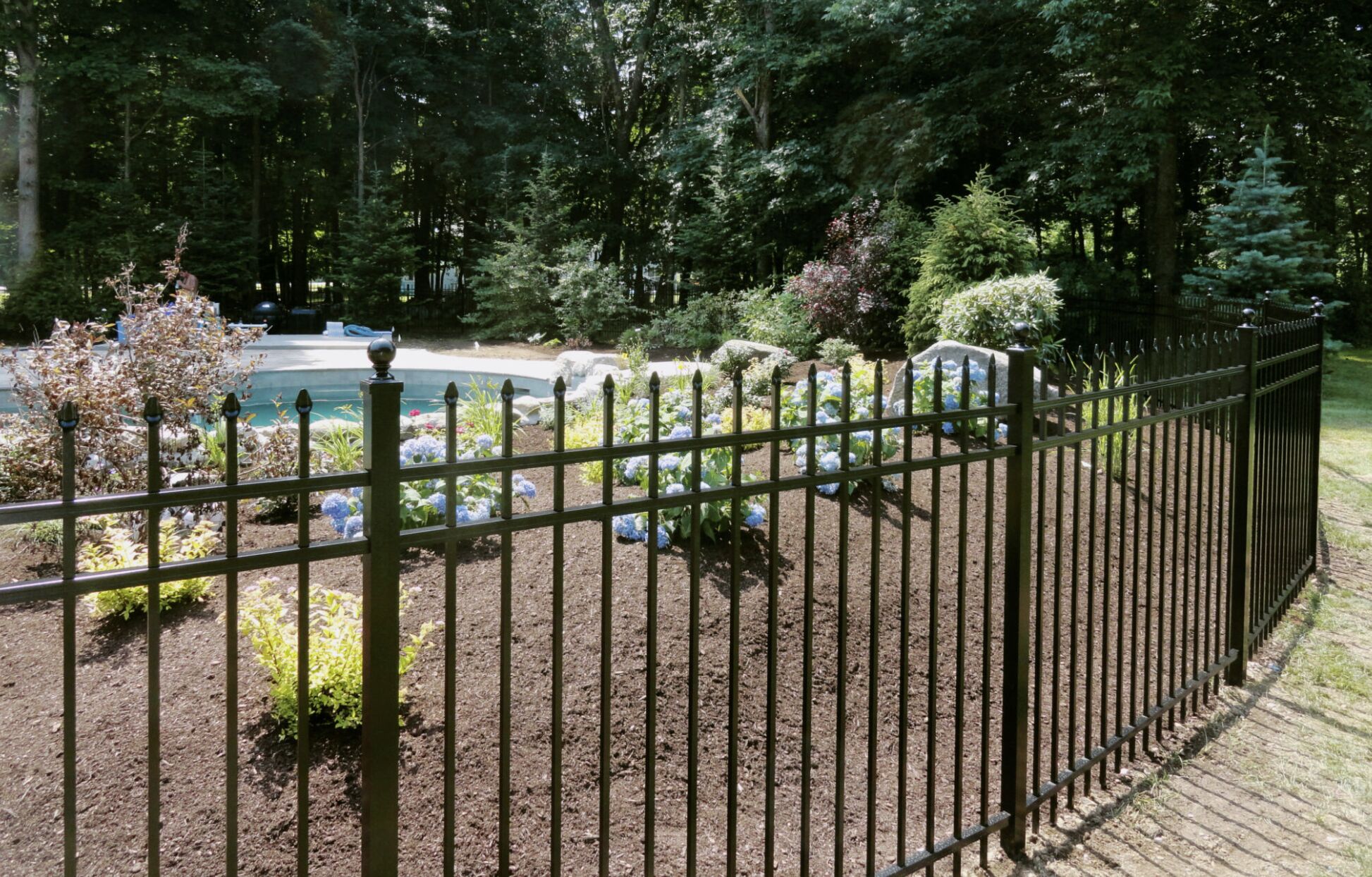
The decorative profiles of aluminum fencing mimic the look of ornamental iron at a fraction of the cost and weight. Vertical pickets with decorative finials create sophisticated curb appeal that enhances property value. The open design maintains visibility and airflow while clearly defining boundaries. This combination of form and function works beautifully for front yards where aesthetics matter most.
Maintenance requirements for aluminum fencing are minimal. The powder-coated finish resists fading, chipping, and weathering for decades. An occasional rinse with a garden hose removes accumulated dirt and pollen. You never need to repaint, restain, or apply protective treatments. For homeowners seeking low-maintenance fencing solutions, aluminum delivers hassle-free beauty that lasts.
Aluminum Fence Styles and Applications
Versatile Designs for Every Property
Aluminum fencing comes in numerous styles from simple to ornate. Classic picket designs feature evenly spaced vertical bars in heights ranging from three to six feet. Decorative options add rings, scrollwork, finials, and other embellishments that create visual interest. Modern styles use clean lines and minimal ornamentation for contemporary homes.
Flat-top aluminum fences offer straightforward elegance with level top rails. Spear-top styles add pointed finials for traditional appeal and additional security discouragement. Arched or scalloped designs create flowing lines perfect for front yards and pool surrounds. We show you examples during consultations so you can visualize how different styles complement your home architecture.
Popular applications for aluminum fencing include:
- Front yard fencing that enhances curb appeal without blocking views
- Pool safety barriers that meet code requirements with style
- Garden and landscape accents defining planting areas decoratively
- Property line marking with elegant boundaries between neighbors
- Patio and deck enclosures creating defined outdoor living spaces
- Commercial properties requiring attractive perimeter security
The lightweight nature of aluminum makes it ideal for installations on slopes or uneven terrain. Panels rack to follow ground contours smoothly. This flexibility allows professional installation in locations where heavier materials create challenges. Whether you need fence installation for a flat yard or sloping property, aluminum adapts beautifully.
Aluminum vs Other Fence Materials
Understanding Your Options
Comparing aluminum to other popular fence materials helps you make informed decisions. Aluminum costs more upfront than chain-link fencing but provides significantly better aesthetics and curb appeal. The decorative appearance and low maintenance often justify the higher initial investment for front yard applications.
Against wood fencing, aluminum offers rust and rot resistance that wood cannot match. Wood requires regular staining and sealing while aluminum needs only occasional cleaning. However, wood provides more privacy since boards can be installed without gaps. Many homeowners choose aluminum for front yards where visibility is acceptable and wood for backyards requiring privacy.
Vinyl fencing provides similar low-maintenance benefits as aluminum. Vinyl offers more privacy options while aluminum delivers a more refined decorative look. Aluminum is stronger and resists impact damage better than vinyl. Color options differ too, with vinyl offering solid colors throughout while aluminum features powder-coated finishes. Both materials provide excellent longevity with minimal care requirements.
Wrought iron creates the most traditional ornamental appearance but weighs significantly more than aluminum and costs considerably more to install. Iron requires periodic painting to prevent rust while aluminum stays maintenance-free. For most residential applications, aluminum replicates the iron look effectively while providing practical advantages in installation, maintenance, and cost.