Wood Fences
Classic wood fencing that combines natural beauty with proven durability for your Aiken property.
Why Choose Wood Fencing
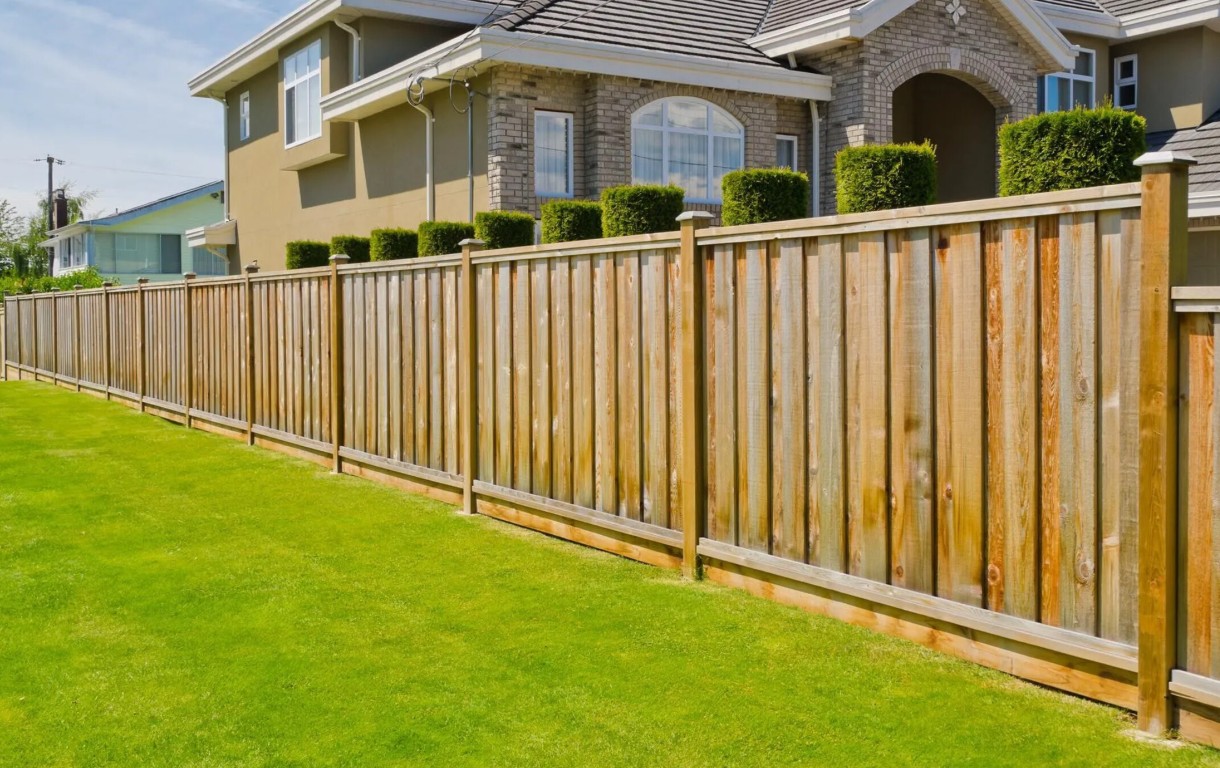
Wood fencing remains the most popular choice for homeowners across Aiken for good reasons. Wood offers natural warmth and beauty that complements any architectural style from traditional to modern. The organic texture and grain patterns create visual interest that synthetic materials cannot replicate.
Beyond aesthetics, wood fencing provides practical benefits. It installs faster than many alternatives and costs less upfront than premium materials. Wood naturally insulates sound better than chain-link or metal fences, creating quieter outdoor spaces. It also offers maximum design flexibility since wood can be cut, shaped, and customized to match any property layout or style preference.
Wood fences increase property value and enhance curb appeal immediately. The natural material blends with landscaping and feels welcoming rather than industrial. When properly maintained, wood fencing lasts decades while developing character and patina that many homeowners find appealing. For residential fencing projects, wood delivers the perfect balance of beauty, function, and value.
Wood Fence Types and Styles
Find the Perfect Style for Your Property
We install several popular wood fence styles to match your specific needs. Privacy fences use solid boards with no gaps between them, providing complete visual screening and maximum security. These work perfectly for backyards where you want to create private outdoor living spaces away from neighbor views.
Picket fences offer classic charm with vertical boards spaced apart on horizontal rails. They define property boundaries while maintaining an open, friendly appearance. Picket styles work beautifully for front yards and cottage-style homes. Shadow box fences alternate boards on both sides of the fence for a decorative look that provides privacy from both directions while allowing some airflow.
Board-on-board fences overlap vertical boards for complete privacy with dimensional interest. Split rail fences deliver rustic character perfect for larger properties or country settings. Horizontal fences create contemporary appeal with boards running parallel to the ground instead of vertical. We can also build custom designs combining different elements to achieve your exact vision.
Each style serves different purposes and creates different visual effects. During your consultation, we show examples and explain which options work best for your property characteristics, local regulations, and budget considerations.
Cedar vs Pressure-Treated Pine
Choosing the Right Wood for Your Fence
The two main wood options for fence installation are cedar and pressure-treated pine. Each offers distinct advantages depending on your priorities.
Cedar naturally resists rot, decay, and insect damage without chemical treatment. It contains oils that repel moisture and pests, making it extremely durable in outdoor conditions. Cedar also stays dimensionally stable, meaning it resists warping and splitting better than other woods. The natural aroma is pleasant, and cedar can be left untreated to weather into an attractive silver-gray patina or stained to maintain its natural color. The main downside is higher material cost compared to treated pine.
Pressure-treated pine undergoes chemical treatment that protects against rot, decay, and termites. This makes it very durable and significantly less expensive than cedar. Treated pine handles ground contact well and works perfectly for fence posts and any components that will be near soil. It requires fence staining and sealing for best appearance and longevity. Modern treatment processes are safer than older methods while still providing excellent protection.
Here is how these wood types compare on key factors:
- Cost: Pressure-treated pine costs less upfront than cedar
- Durability: Both last 15-20+ years with proper maintenance
- Maintenance: Cedar can be left natural, pine needs regular staining
- Appearance: Cedar offers rich natural color, pine requires finishing
- Sustainability: Both are renewable resources when sourced responsibly
We help you evaluate these tradeoffs based on your budget, maintenance preferences, and desired appearance. Many homeowners use treated pine for posts and structural elements while choosing cedar for visible boards to balance cost and beauty.