
Pool Fencing
Safety-focused pool fencing that protects your family while meeting all local codes and regulations.
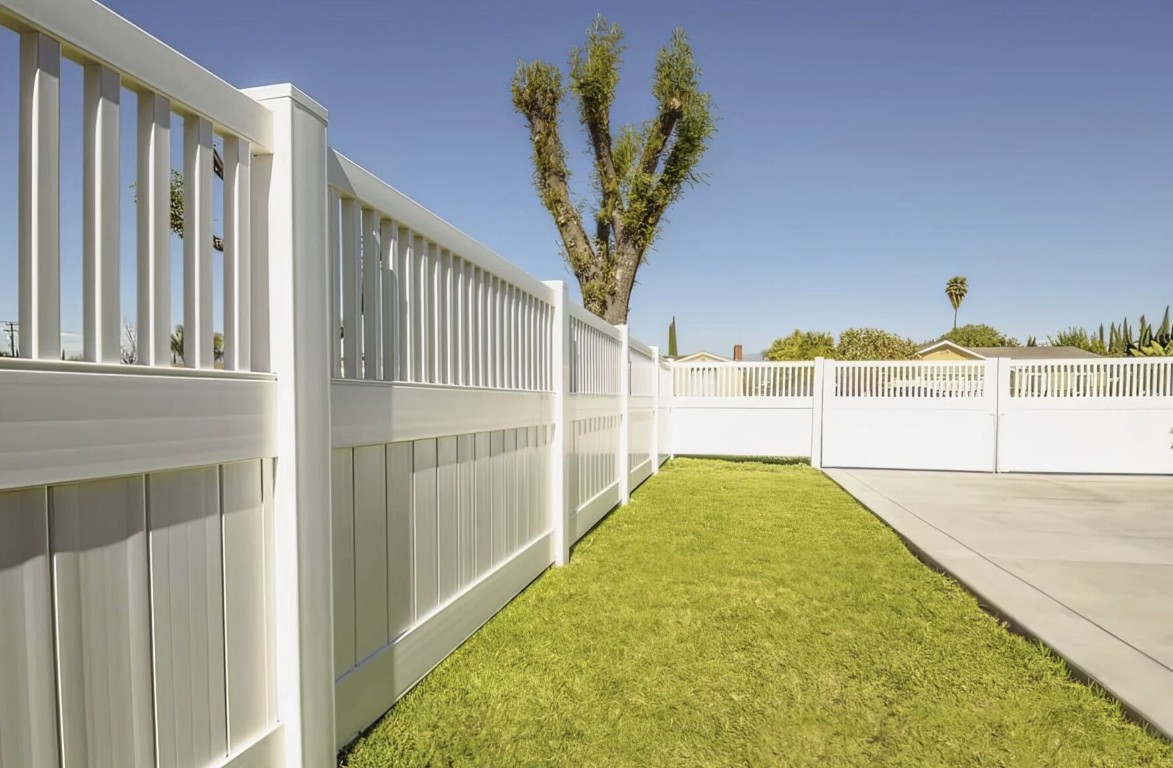
Why Pool Fencing Matters
Pool fencing saves lives by preventing unsupervised access to swimming pools. Drowning remains one of the leading causes of accidental death for young children, and most of these tragedies happen in residential pools during brief moments when adults are distracted. A proper pool fence creates a physical barrier that gives you control over who enters the pool area and when.
Beyond safety, pool fencing is legally required in most areas. South Carolina and local Aiken regulations mandate barriers around residential swimming pools to protect children and prevent liability. These codes specify minimum heights, maximum gap sizes, self-closing gates, and self-latching mechanisms. Installing compliant pool fencing protects you from potential legal issues and insurance complications if someone accesses your pool without permission.
Pool fences also reduce your homeowner insurance rates in many cases. Insurance companies recognize that proper barriers decrease accident risk significantly. Some insurers require pool fencing as a condition of coverage. When you invest in professional pool fence installation, you protect your family, meet legal requirements, and potentially lower ongoing insurance costs.
Pool Fence Code Requirements
Understanding Local Regulations
Pool fence codes exist to prevent accidents and save lives. While specific requirements vary by location, most jurisdictions in South Carolina follow similar standards. Understanding these requirements helps you plan your pool fence project correctly from the start.
Common pool fencing code requirements include:
- Minimum height of 48 inches measured from ground level
- Maximum gap between vertical pickets or mesh of 4 inches to prevent child access
- Self-closing gates that automatically shut after opening
- Self-latching mechanisms positioned at least 54 inches above ground or on pool side of gate
- No climbable elements within 3 feet of the fence on the outside
- Gates that open outward away from the pool area
- Proper spacing from pool edge and property boundaries
We stay current with all local pool fencing codes and regulations. Our installations meet or exceed these requirements automatically. We handle any necessary permits and inspections as part of our service. This ensures your pool fence passes inspection the first time without delays or costly corrections. You get peace of mind knowing your fence protects your family properly and legally.
Pool Fence Material Options
Choosing the Right Fence for Your Pool
Several fence materials work well for pool applications, each offering different advantages. Aluminum fencing is the most popular choice for pools. The rust-resistant metal handles pool chemicals and moisture perfectly. Decorative aluminum maintains visibility so you can monitor swimmers from your house or patio. The open design also meets code requirements easily.
Vinyl fencing provides another excellent option for pools. The waterproof material resists chlorine, salt, and humidity without deteriorating. Vinyl never needs painting and cleans easily with a hose. Privacy vinyl fencing creates enclosed pool areas while meeting height requirements. Semi-privacy styles offer partial visibility with attractive designs.
Glass panel fencing creates premium pool enclosures with unobstructed views. Frameless glass panels provide modern aesthetics while meeting all safety codes. The transparent barrier keeps safety paramount without blocking sight lines. Glass works beautifully for contemporary homes where design matters as much as function.
Chain-link and mesh fencing offer budget-friendly pool barrier options. While less decorative than aluminum or vinyl, these materials meet all code requirements effectively. Coated chain-link in black or green blends better with landscaping than standard galvanized finish. Removable mesh fencing provides temporary barriers for seasonal pool use.
During your pool fence installation consultation, we help you select materials that balance safety, aesthetics, budget, and maintenance preferences. Every option we install meets code requirements while complementing your property design.